|
|
|
**1. What's a Bike Pump For?**
A bike pump pushes air into your tires. Getting the right pressure means:
* You use less energy when you ride.
* You get better grip and control.
* You're less likely to get a flat tire.
* Your tires last longer.
**2. Different Kinds of Bike Pumps**
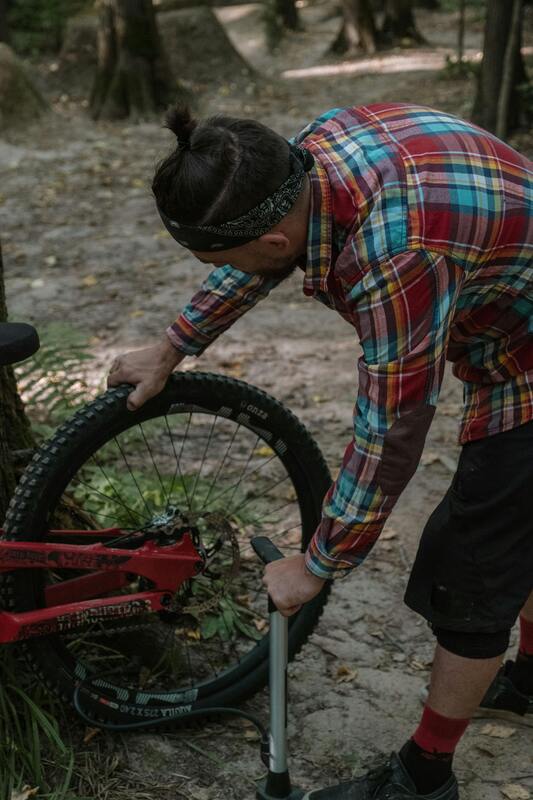
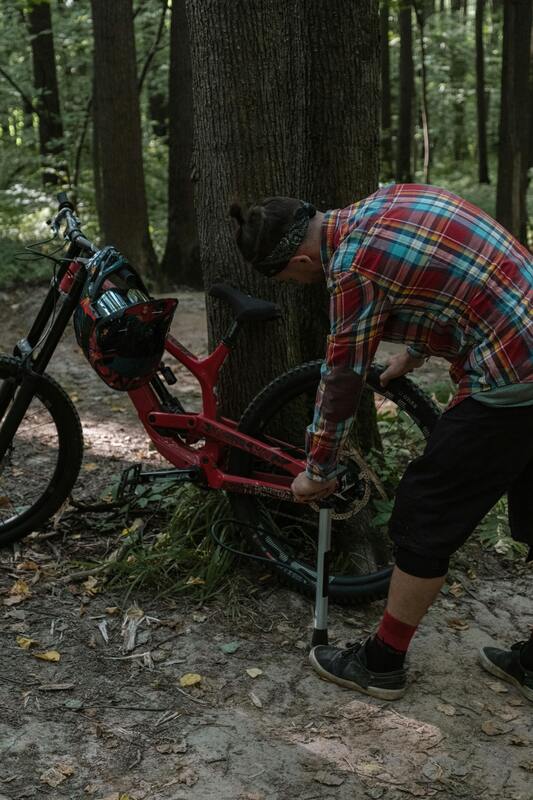
* **Floor Pump:** Big, stays on the ground. Pumps air fast. Often has a gauge to show the pressure. Best for your garage.
* **Mini Pump:** Small enough to carry. Takes longer to pump. Good for fixing flats when you're out riding.
* **CO₂ Inflator:** Uses a CO₂ cartridge to fill the tire super fast. Only works once per cartridge.
* **Foot Pump:** You pump with your foot. More steady than a hand pump, but not as strong as a floor pump.
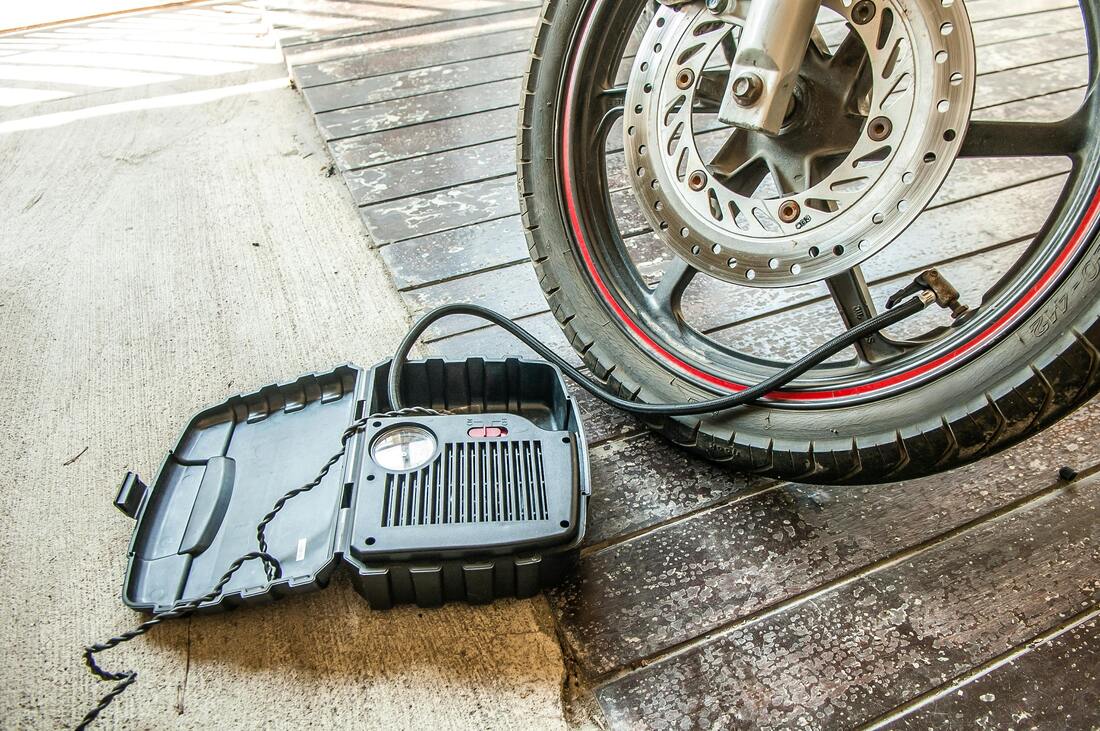
* **Electric Pump:** Runs on batteries. Just push a button. Slower than CO₂, but no work for you.
**Pump Types (Pressure or Air Volume)**
* **High-Volume:** Pumps a lot of air fast. Good for mountain bike and fat bike tires (low pressure, but big tires).
* **High-Pressure:** For road bikes. Can pump up to really high pressures.
**3. What Kind of Valve Does Your Tire Have?**
Bike tires mostly use two kinds of valves:
* **Presta:** Skinny valve, found on road bikes.
* **Schrader:** Like the valve on your car tire. Found on mountain bikes and kid's bikes.
Most new pumps work with both kinds. Some have two sides, some you can switch.
**4. What's the Pump Made Of?**
* **Barrel:** The tube that squeezes the air.
* **Piston:** The part that moves inside to push the air.
* **Hose:** The tube that connects to your tire.
* **Head:** The part that goes on the valve.
* **Gauge:** Shows how much air is in the tire.
* **Base:** Keeps the floor pump steady.
* **Handle:** What you hold to pump.
**5. How to Pump Your Tire**
1. See what kind of valve you have.
2. Get the valve ready.
3. Attach the pump head tight.
4. Pump until you get to the right pressure.
5. Take the pump off carefully.
6. Close the valve.
**6. How Much Air? (Just a Guideline)**
* Road bikes: 80–120 psi
* Gravel bikes: 40–70 psi
* Mountain bikes: 20–40 psi
* Fat bikes: 5–15 psi
Check your tire for the right numbers.
**7. Taking Care of Your Pump**
* Keep it clean.
* Put grease on the piston sometimes.
* Replace the hose if it's worn out.
* Don't drop it on the gauge.
* Store it standing up.
**8. Some Tips**
* For tubeless tires, use a pump that can blast a lot of air to get the tire to seal.
* Carry a small pump or CO₂ thingy with you when you ride.
* Don't put too much air in! Look on the tire for the max pressure.
* Schrader valve pumps can also pump up balls and stuff.
**Basically...**
Bike pumps come in different types, work with different valves, and are must-haves based on what kind of riding you do. Take care of your pump and tires, and they'll both last.
A bike pump pushes air into your tires. Getting the right pressure means:
* You use less energy when you ride.
* You get better grip and control.
* You're less likely to get a flat tire.
* Your tires last longer.
**2. Different Kinds of Bike Pumps**
* **Floor Pump:** Big, stays on the ground. Pumps air fast. Often has a gauge to show the pressure. Best for your garage.
* **Mini Pump:** Small enough to carry. Takes longer to pump. Good for fixing flats when you're out riding.
* **CO₂ Inflator:** Uses a CO₂ cartridge to fill the tire super fast. Only works once per cartridge.
* **Foot Pump:** You pump with your foot. More steady than a hand pump, but not as strong as a floor pump.
* **Electric Pump:** Runs on batteries. Just push a button. Slower than CO₂, but no work for you.
**Pump Types (Pressure or Air Volume)**
* **High-Volume:** Pumps a lot of air fast. Good for mountain bike and fat bike tires (low pressure, but big tires).
* **High-Pressure:** For road bikes. Can pump up to really high pressures.
**3. What Kind of Valve Does Your Tire Have?**
Bike tires mostly use two kinds of valves:
* **Presta:** Skinny valve, found on road bikes.
* **Schrader:** Like the valve on your car tire. Found on mountain bikes and kid's bikes.
Most new pumps work with both kinds. Some have two sides, some you can switch.
**4. What's the Pump Made Of?**
* **Barrel:** The tube that squeezes the air.
* **Piston:** The part that moves inside to push the air.
* **Hose:** The tube that connects to your tire.
* **Head:** The part that goes on the valve.
* **Gauge:** Shows how much air is in the tire.
* **Base:** Keeps the floor pump steady.
* **Handle:** What you hold to pump.
**5. How to Pump Your Tire**
1. See what kind of valve you have.
2. Get the valve ready.
3. Attach the pump head tight.
4. Pump until you get to the right pressure.
5. Take the pump off carefully.
6. Close the valve.
**6. How Much Air? (Just a Guideline)**
* Road bikes: 80–120 psi
* Gravel bikes: 40–70 psi
* Mountain bikes: 20–40 psi
* Fat bikes: 5–15 psi
Check your tire for the right numbers.
**7. Taking Care of Your Pump**
* Keep it clean.
* Put grease on the piston sometimes.
* Replace the hose if it's worn out.
* Don't drop it on the gauge.
* Store it standing up.
**8. Some Tips**
* For tubeless tires, use a pump that can blast a lot of air to get the tire to seal.
* Carry a small pump or CO₂ thingy with you when you ride.
* Don't put too much air in! Look on the tire for the max pressure.
* Schrader valve pumps can also pump up balls and stuff.
**Basically...**
Bike pumps come in different types, work with different valves, and are must-haves based on what kind of riding you do. Take care of your pump and tires, and they'll both last.